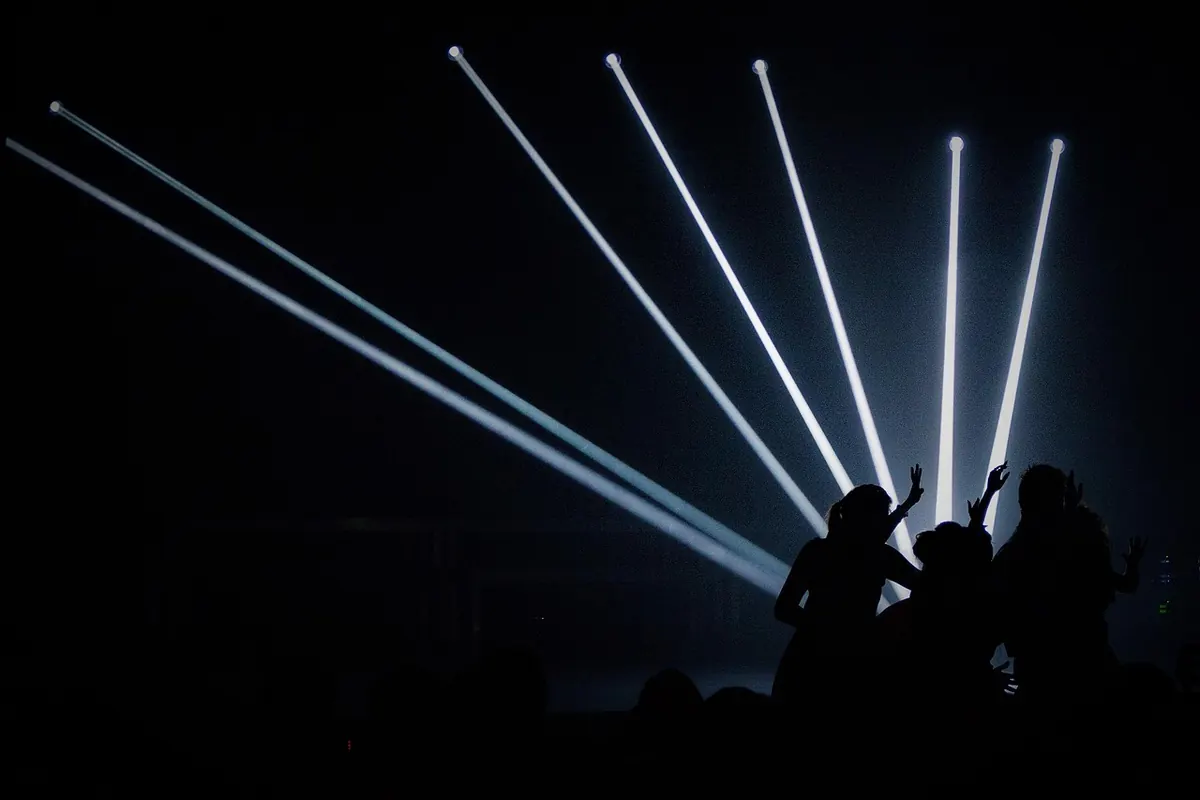
A Local's Guide to Winter Light Festivals Across the UK
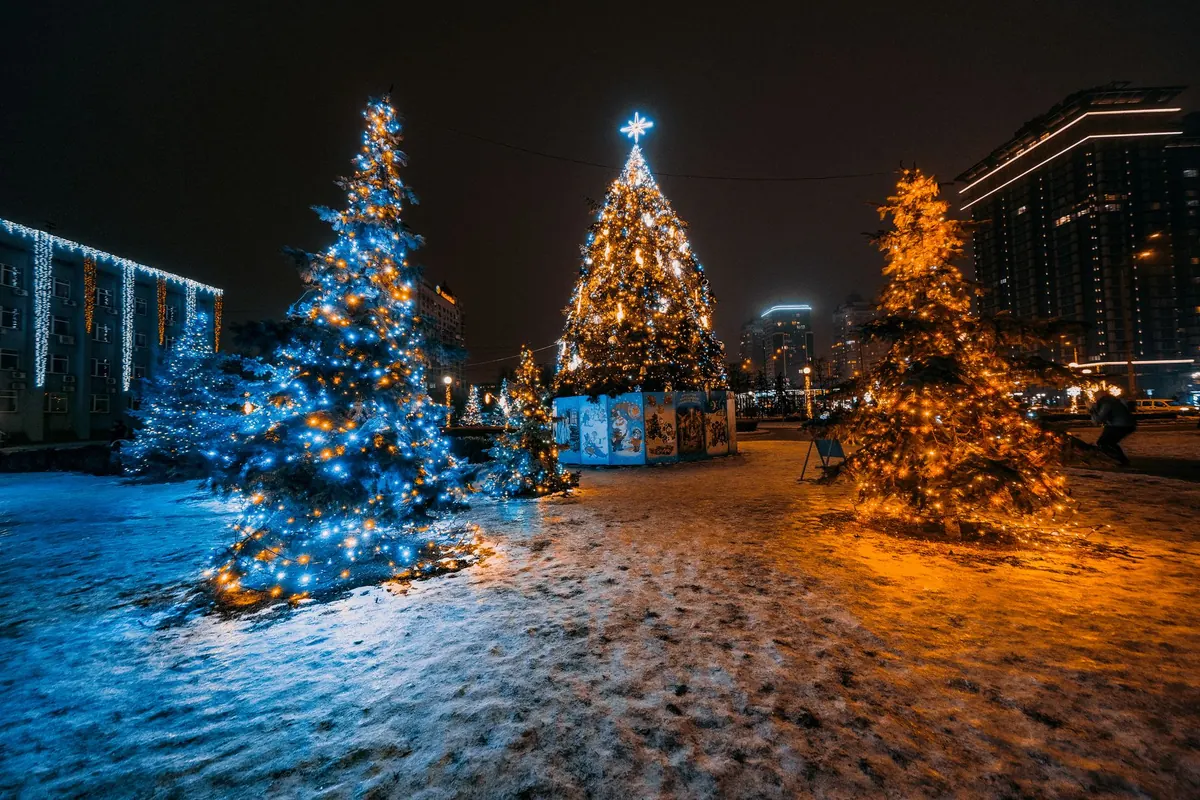
By half four on a December afternoon, most of Britain has given up on daylight. That is exactly when the light festivals come into their own: garden trails strung with lanterns, projections washed across cathedral walls, and city centres that suddenly reward a slow walk in the cold. Some are worth a train journey; others are twenty minutes from your front door and free. Here is what to expect, when to go, and how to shape a proper evening around them.
What you are actually signing up for
Winter light events in the UK fall into three broad types, and they behave very differently.
The first is the ticketed garden trail: a one-way route through parkland, arboretum or botanic garden, taking roughly an hour to ninety minutes at a gentle stroll. You book a timed slot, arrive within it, and follow the crowd. Expect gravel and woodchip paths, a fire pit or two, food stalls, and plenty of people stopping dead to take photographs. Kew, Westonbirt, Blenheim and Longleat all sit in this category.
The second is the free city installation — a projection on a civic building, a bridge washed in colour, an illuminated art trail through streets you already know. No ticket, no queue for entry, but often a long queue for chips.
The third is the community event: lantern parades, displays made by local schools, a high street lit by residents. Smaller, quieter, and often the most memorable of the lot.
The ticketed classics, and how to book them
Christmas at Kew (London) is the benchmark. The trail runs through the botanic gardens with illuminated trees, a fire garden and the glasshouses glowing from within. It is genuinely lovely and genuinely busy, so book as soon as slots open and aim for the earliest or latest window of the evening.
Longleat's Festival of Light (Wiltshire) leans into spectacle, with enormous illuminated lantern sculptures set against the safari park. It suits families with younger children, who tend to prefer sculptures to subtlety.
Blenheim Palace (Oxfordshire) offers an illuminated trail through the grounds and water terraces, with the palace itself as the backdrop. Pair it with a walk through the nearby town if you want to make a full evening of it.
Westonbirt's Enchanted Christmas (Gloucestershire) uses the arboretum's bare winter trees as scaffolding for light, which sounds austere and is actually beautiful. Book early — this one sells out well before December.
Blackpool Illuminations is the odd one out. It runs from late summer right through to early January and costs nothing to view from the Promenade. Go by tram, get off halfway, walk a stretch, then ride the rest. Wrap up; the sea wind is unforgiving.
Wherever you book, the pattern is the same: weekend slots in the first half of December disappear first, midweek slots in January stay available longest, and late afternoon entries are usually the calmest.
Free trails and city-wide light nights
Not every good evening requires a ticket. Durham Lumiere turns the city's streets, riverbanks and cathedral into a temporary gallery, but it is biennial, so check whether it falls in the year you are planning. Light Night Leeds does something similar each autumn, with projections across the city centre and a programme that changes annually. Cardiff, Bristol, Belfast, Glasgow and Manchester all run winter lighting schemes and seasonal trails through their main streets.
The trick with free events is to go early and eat afterwards. Crowds build sharply after seven, and the difference between a pleasant wander and a shuffle is about forty minutes.
Scotland, Wales and Northern Ireland
Edinburgh's Christmas programme includes a light trail at the Royal Botanic Garden, which is smaller and gentler than the London equivalents. Glasgow and Aberdeen both light up their centres with markets and installations that are easy to combine with an evening meal. In Wales, Cardiff's city centre and castle grounds host winter light displays, while Swansea and Wrexham run their own smaller trails. Belfast's City Hall and market area make a compact, walkable evening.
Beyond the cities, watch for parish and village events. A lantern procession down a single street, with a brass band and a pub at the end, can beat a big-name trail for atmosphere.
How to build an evening around the lights
Treat the lights as the middle of the evening, not the whole of it. A little planning makes the difference between a lovely night and a cold, hungry one.
- Pick a slot, then work backwards. If your entry is at 6pm, plan to be in the area by 4.45pm. Parking, queues and ticket checks take longer than you think.
- Eat first or eat after, not during. Trail food is fine but pricey and slow. Book a table nearby for 8.30pm, or arrive early for an unhurried dinner before you go in.
- Check the transport, not just the postcode. City-centre parking near big trails is grim in December. Park-and-ride, trains and buses are usually the sane choice, and many organisers publish a recommended route.
- Layer up properly. Thermal base layer, jumper, waterproof outer shell, hat, gloves. Trails are outdoor, stationary-heavy and about five degrees colder than you expect.
- Take a flask. Hot chocolate or soup in a vacuum flask is the single best decision you can make at 7pm in a field.
- Leave a gap at the end. Do not book anything straight after. Slow walking and cold air make everyone tired, and a rushed exit ruins a good night.
Kit, comfort and a bit of etiquette
Wear boots you do not mind ruining. Even on a dry week, winter trails through grass and woodland get muddy, and paths are rarely lit underfoot.
- Bring a small torch or use your phone's light sparingly — and never use flash photography, which flattens the installations and irritates everyone behind you.
- Charge your phone before you leave and screenshot your tickets, since signal in parks and rural estates is patchy.
- Check whether dogs are allowed before you set off; many ticketed trails do not permit them.
- If you use a wheelchair, pushchair or have mobility needs, look for the organiser's accessibility page. Many trails offer quieter sessions and publish details of path surfaces and gradients.
- Keep moving at pinch points and step to one side if you want a photograph. Trails flow better when everyone does this.
Before you go: a short checklist
Confirm the dates on the organiser's own website rather than a social media post, as winter events shift and occasionally cancel in high winds. Book timed slots early, especially for the first half of December. Decide how you are getting there and back, book food if you want it, and check the forecast the morning you go — a dry night changes everything.
Then let the evening be slightly slower than you planned. The best winter light festivals are not really about the installations. They are about walking through a dark park with people you like, holding something warm, at the darkest point of the year.
Photo: Egor Komarov / Pexels