Beginner's Guide to Vinyl Listening Bars: What to Expect and How to Enjoy Them
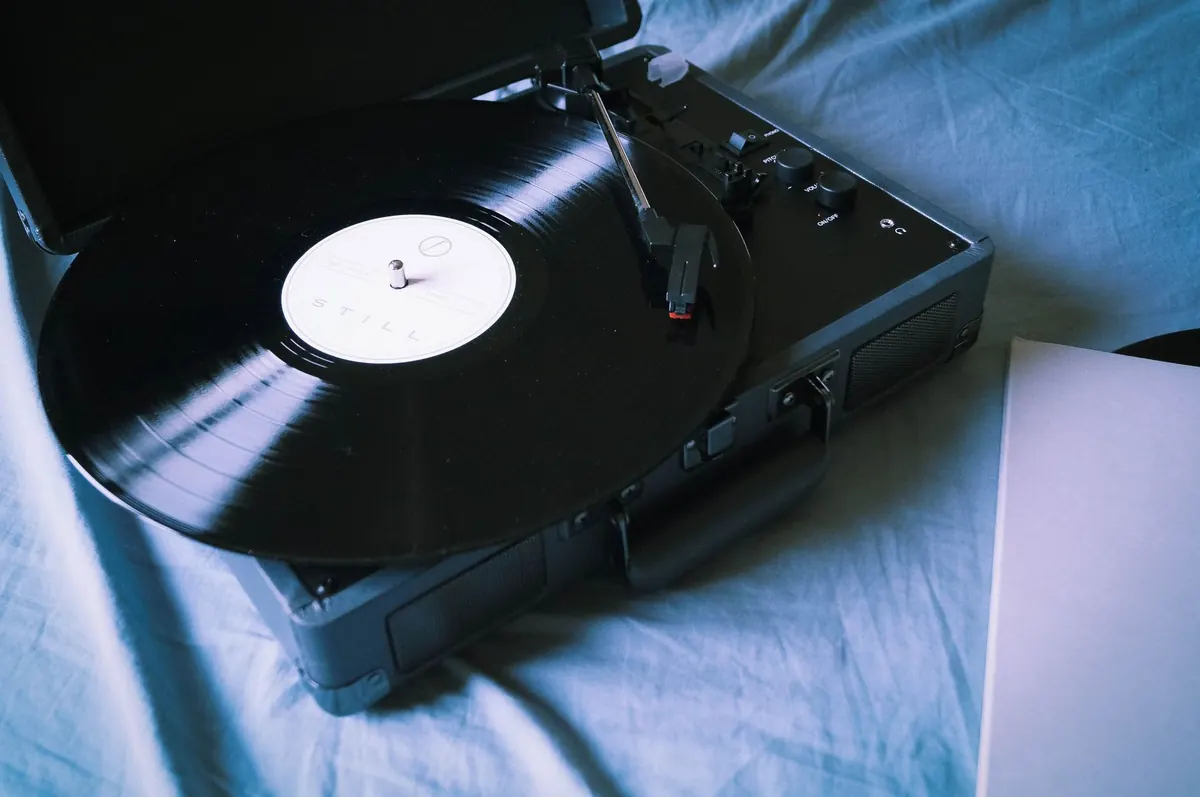
There is a moment in a good listening bar when the room changes. A record ends, the chatter lifts slightly, and then the next needle drops and everything settles back down again. Nobody asks for quiet. It just happens. That small act of collective attention is the whole appeal, and it's the thing most first-timers are nervous about getting wrong.
If you've walked past a dimly lit room with a pair of huge speakers in the window and wondered whether you'd be welcome, you would be. Here's what's going on inside, and how to have a good evening without feeling like an outsider.
What a vinyl listening bar actually is
Strip it back and it's a small room, usually somewhere between twenty and fifty seats, with a sound system that cost more than the furniture. Someone — a member of staff, the owner, or a guest selector — plays records from start to finish. Whole tracks, sometimes whole sides. The volume is loud enough that you feel the bass in your chest, but not so loud that you have to shout to order a drink.
The format comes from Japan's jazz kissa: small cafés where people came to hear imported records properly. That idea has travelled, and you'll now find versions of it in most British cities. Some rooms are devoted to jazz, soul and Brazilian records. Others lean into dub, ambient, post-punk or whatever the person behind the bar is obsessed with that month. A few serve coffee by day and cocktails at night. The common thread is simple: the music is the main event, not the backdrop.
How an evening usually unfolds
You arrive, you're seated, you order. Then you let the set happen. Good selectors build slowly — expect the first hour to be quieter, stranger or more obscure than what comes later, with things loosening up as the room fills.
The seating
Where you sit genuinely affects what you hear. The best sound is usually a couple of metres back and slightly off to one side, not pressed against the wall and not directly beside a speaker. If you're offered a choice, take the middle distance.
The talking
Conversation is allowed. Silence isn't the rule and nobody will shush you. But voices should sit underneath the music rather than on top of it, which mostly means leaning in and speaking at a normal indoor volume. If you want a proper catch-up with a friend, this isn't the room for it — and that's fine.
The unspoken etiquette
None of this is written on the wall, but it's how the rooms tend to work.
- Don't touch the equipment. Not the turntables, not the mixer, not the records in the racks unless they're clearly there for browsing. Even a light knock on the shelf can send a needle skipping.
- Keep phones dimmed and out of sight. Some places ask for them away entirely. A screen glowing in a dark room is more distracting than you think, and filming with a flash is the quickest way to annoy everyone.
- Ask about requests before making one. Some bars have request slips or a specific slot for them; others would rather run their own set. A quiet word with the bar is always the right first move.
- Order something. Even a soft drink and a bowl of nuts. You're renting a seat in a small room with expensive kit, and the drinks are how it stays open.
- Wait to be seated if there's someone at the door, and don't rearrange chairs to fit a larger group.
- Go easy on scent. Strong perfume or aftershave in a tight, warm room affects everyone around you.
How to listen better
You don't need an education in rare pressings. Try following one instrument for a whole track — the bass line, or the hi-hat, or a single horn — and see where it goes. Notice how the room sounds when the drums drop out. Let a record run for a few minutes before deciding you don't like it; a lot of this music makes sense only in its second half.
It also helps to stop trying to identify everything. You're not there to pass an exam. If something catches you, that's the win.
Drinks, food and what it costs
Most listening bars have table service, a short drinks list and something small to eat — sometimes just bar snacks. Many charge a modest cover on busy nights or ask for a minimum spend per person, so it's worth checking before you book. Order water alongside whatever else you're having. A three-hour set heard through a few strong cocktails is a night you won't remember much of, and the sound deserves better. Plenty of places are card-only now, so don't rely on cash.
What if you don't know any of the records?
That's the normal state of affairs for almost everyone in the room. Nobody is keeping score. If a track lands, ask the staff afterwards what it was — most will be delighted to tell you, and often to write it down. Note it on your phone in the corridor or on the way out rather than at the table if phones are discouraged.
Going on your own works well here. Bar seats exist for exactly that, and the staff are usually up for a chat between records.
Your first visit: a simple plan
- Check the night's format online. A soul night and an ambient night are different evenings.
- Book if the place takes bookings, or arrive early enough to get a decent seat.
- Eat beforehand if there's no kitchen.
- Settle in, order within the first ten minutes, then put the phone away.
- Aim for a seat in the middle distance, slightly off-axis from the speakers.
- Stay for at least an hour. Sets reward patience.
- Say thanks to whoever was playing on your way out. It costs nothing and it's appreciated.
Go in curious rather than prepared, and you'll get the most out of it. The pleasure of these rooms isn't in knowing the records. It's in sitting somewhere warm with a drink, hearing a piece of music properly for the first time in years, and letting the evening stretch out in front of you.
Photo: Сергей Жаров / Pexels