The Evening Picnic Checklist: What to Pack for a Summer Sunset Meal
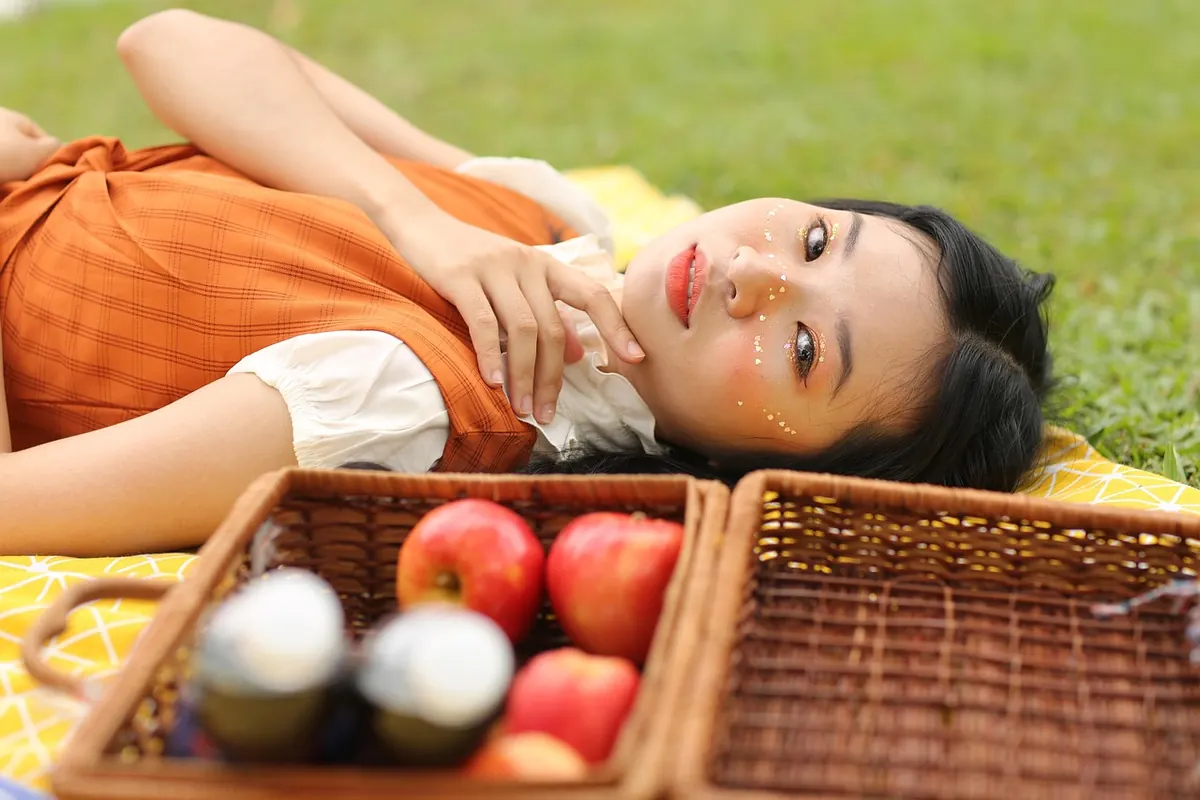
A picnic at noon is a functional thing: you eat, you move on. A picnic at seven in the evening is something else entirely. The light comes in sideways, the air loses its heat, and nobody is in a hurry. The trick is to pack for three versions of the same evening — the warm one when you arrive, the cooler one when the sun drops below the treeline, and the dark one when you're still sitting there talking and someone says, "Actually, should we stay a bit longer?"
Get those three hours right and you eat dinner under a sky doing something memorable. Get them wrong and you eat warm houmous in a wind that arrived from nowhere while hunting for a lost car key in long grass.
Choose the spot before you choose the menu
Where you sit matters more than what you carry. You want a western view and a little shelter, in roughly that order. A hilltop gives you the whole sky but also the whole wind. A park with trees along the eastern edge gives you a soft backdrop and shadows that lengthen nicely across the grass. Water — a canal, a reservoir, a riverbank — doubles the sunset by reflecting it, though still water at dusk is also where the midges gather.
Work backwards from the sunset time rather than guessing it. Aim to arrive about ninety minutes before, which leaves time to walk in, find your pitch, lay everything out and start eating while the light is still golden rather than dim. If you're heading somewhere managed, such as a National Trust property, a country park or a beach with a car park, check the closing times and any rules on barbecues, alcohol or fires before you load the boot. Somewhere that shuts its gates at dusk is not the place for a long, slow evening.
Build a base you can actually sit on
The single most common picnic mistake is under-packing the ground layer. Damp grass pulls heat out of you fast, and by nine o'clock a thin cotton throw is doing very little. Take a waterproof groundsheet or tarpaulin first, then blankets on top of it — one decent wool or thick cotton blanket per two people, plus one spare for laps and shoulders. Folding chairs are worth the extra trip to the car if anyone in the group is older, pregnant, or simply done with sitting on the floor.
- A groundsheet, then two or three thick blankets
- Cushions or folded towels for hips and elbows
- A jumper, thick socks and a scarf per person, even on a warm day
- Insect repellent and a small first-aid kit with plasters
- A bin bag for rubbish and a second one for anything that gets wet
Food that improves as the sun goes down
Evening picnic food needs to taste good at room temperature, survive being carried, and not require a knife and fork. That rules out anything that must be served hot, anything in a sauce that will leak, and anything that collapses under its own weight. It also, happily, leaves an enormous amount to choose from.
Savouries
- Cold roast chicken or a pork pie, carved at home
- A frittata or quiche, cut into wedges and wrapped
- Good cheese, oatcakes and a jar of chutney
- Sourdough or a baguette, sliced and buttered before you leave
- Tomatoes, radishes, olives, salted crisps
- A robust salad — grain, bean or pasta — dressed at the last minute, or with the dressing in the bottom of the jar and shaken on site
Sweet things
Fruit that travels well: cherries, grapes, peaches, a melon sliced at home and kept cold. Brownies or flapjack rather than anything with cream. If you want something chilled, a flask-packed fruit salad works better than ice cream that will be soup by the time you find your spot.
Keep anything containing dairy, cooked meat or mayonnaise properly chilled until the moment you eat it, and don't leave it sitting out in warm air for hours afterwards. If you're feeding someone with a serious allergy, read the labels rather than assuming, and take proper medical advice about their needs rather than relying on a packing list.
Drinks: one cold, one hot, one simple
A cool box with a couple of ice packs covers the cold side. Freeze a bottle of water the night before and let it thaw through the evening — it keeps everything else cool and gives you cold water at the end. For the last hour, when the temperature drops and everyone's hands are cold anyway, a flask of tea or coffee is the thing people remember.
If you're taking wine, decant it at home into a bottle you don't mind losing, bring a corkscrew and use enamel mugs or plastic glasses rather than glass. Check the rules where you're going: many public parks and beaches prohibit alcohol, and if you're driving home afterwards, that decision is straightforward — drink nothing, or arrange a lift. Water for everyone, regardless.
Light for the final hour
Sunset is not the end of the evening; it's the middle of it. Plan for the twenty minutes of half-light and the hour of genuine dark that follow, because that's often the best part.
A rechargeable lantern gives you proper light for packing up. A string of small LED fairy lights wound around a basket handles the atmosphere. A head torch or bike light is unglamorous and enormously useful when you're looking for a dropped phone, a lost shoe or the path back to the car. Tea lights in jam jars are lovely but need a surface that won't scorch and a site that permits them — open flames are banned in plenty of parks and on most heathland, where the fire risk is real. Windproof matches or a long lighter are worth carrying whatever you choose.
On the midge front, avoid sitting right beside still water at dusk, and pick a spot with a bit of breeze if you can. Repellent applied before you sit down works better than repellent applied once everyone is already complaining.
The packing list, in order of loading
- Groundsheet, blankets, cushions, chairs
- Cool box with food and ice packs, flask, bottles of water
- Plates, cutlery, napkins, sharp knife, bottle opener, corkscrew
- Lantern, string lights, torch, spare batteries
- Bin bags, wet wipes, hand sanitiser, toilet roll
- Jumpers, socks, repellent, first-aid kit
- A deck of cards, a book of poetry, or simply the willingness to sit still
Coming home without a soggy boot
Start packing up ten minutes before you actually want to leave, while there's still enough light to see what you're doing. Walk the ground twice: bottle caps, hairbands and the corner of a blanket go missing in long grass and are rarely found again. Take every scrap of rubbish with you, including fruit stones and crusts, and leave the spot looking as though nobody had been there.
At home, empty the cool box and leave the lid open to dry, shake out the blankets before they go in the wash, and rinse the flask rather than leaving tea stewing in it until Tuesday. Then put the groundsheet and the lantern straight back in the car boot. The best evening picnics are the ones you can repeat on a whim — and that only happens if the kit is already packed.
Photo: ptksgc / Pixabay